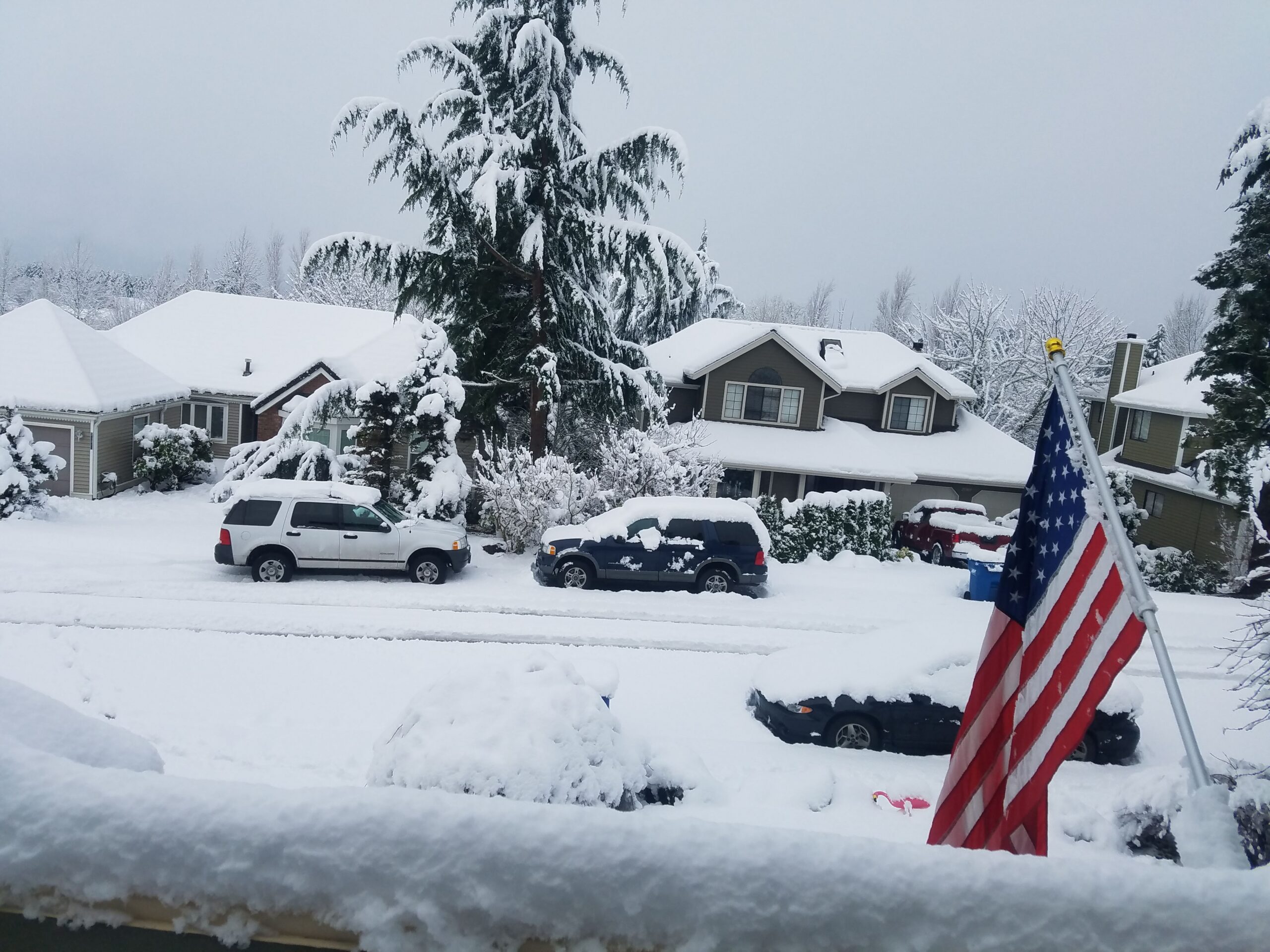
As autumn settles into the Pacific Northwest, it's a good time to take a closer look at your home and see what repairs or maintenance you may need before winter arrives.
Heavy rain, strong winds, freezing temperatures, and occasional snow can all take a toll on a home. Taking care of a few things now can help prevent water damage, costly repairs, and unexpected problems when the weather turns.
Tip 1: Keep Water Away From Your Home
Water is one of the most damaging elements a home faces, especially during our long, wet winters. Some water damage is easy to spot, but other problems can develop slowly behind siding, around windows, or beneath roofing materials.
Check your roof, gutters, downspouts, and drainage systems. Make sure water flows freely and is directed away from your home. Small problems that are easy to address now can become much larger repairs after months of heavy rain.
Tip 2: Get Ready for Wind and Winter Storms
Strong winds can loosen shingles, siding, flashing, and exterior trim. Once these materials become loose, wind-driven rain can find its way into places it shouldn't.
Check around your home for anything that appears loose, damaged, or in need of repair. Pay particular attention to tree branches hanging over your roof. Removing large or potentially hazardous branches before winter storms arrive can help prevent damage to your roofing, gutters, and siding.
It's also a good time to check the weatherstripping around windows and exterior doors. Keeping cold air out helps your home stay comfortable and reduces unnecessary heating costs.
Tip 3: Don't Overlook Gutters and Drainage
Falling leaves and debris can quickly clog gutters, downspouts, and drainage catch basins. When water has nowhere to go, it can overflow against siding, collect near foundations, or back up beneath roofing materials.
Clean out your gutters, check that downspouts are draining properly, and remove leaves and debris from outdoor catch basins. These simple steps matter most before the heaviest winter rains begin.
After a major storm, take another look around your property. A quick check can help you catch problems before they lead to more serious damage.
Here are some important areas to check around your home before winter:
- Roof: Take a look for loose or damaged shingles, worn flashing, or other areas that may need repair.
- Chimneys and roof vents: Check for damaged flashing, loose materials, or openings where water could enter.
- Gutters and downspouts: Clean out leaves and debris, check for damage, and make sure water drains away from the house.
- Drainage catch basins: Remove accumulated leaves, dirt, and debris so rainwater can flow freely.
- Windows: Check for damaged caulking, loose trim, and areas where water or cold air may be getting in. Clean windows as needed.
- Window screens: Remove and store seasonal screens where appropriate to protect them from winter weather.
- Exterior doors and garage doors: Check weatherstripping, seals, and areas that may allow drafts or water intrusion.
- Exterior and ceiling lights: Check that fixtures are working and replace burned-out bulbs, particularly around walkways and entrances.
- Outdoor hoses and faucets: Disconnect, drain, and store hoses. Protect exterior hose bibs from freezing temperatures.
- Outdoor furniture: Cover or store furniture that could be damaged by prolonged rain, wind, or freezing weather.
- Siding and exterior trim: Look for failing caulking, loose boards, damaged materials, or areas that may allow moisture behind the siding.
- Landscaping and trees: Trim plants and shrubs away from siding, and remove large or potentially hazardous branches hanging over the roof.
- Soil, bark, and landscaping beds: Keep soil and bark away from siding, maintaining approximately 4–6 inches of clearance where appropriate. This helps reduce moisture buildup and potential wood deterioration.
- Heating system: Check your furnace, replace filters, and schedule duct cleaning or servicing if needed so your heating system is ready for colder weather.
- Blowing out sprinkler lines: Before the first freeze, make sure there isn’t water left in the lines, which can freeze, crack pipes, and lead to costly repairs.
- Insect and critter control: As the weather gets colder, insects, mice, rats, raccoons, and other critters start looking for warm places to settle in. Homeowners should check for openings around the house and make sure they're sealed, especially around crawl spaces and attics.
- It may also be worth mentioning perimeter and crawl space treatments where appropriate, along with trapping or professional removal if critters have already gotten inside. You don't want them nesting in these areas, leaving behind waste that can cause unpleasant odors and potential health concerns, including hantavirus from infected rodents.
A Little Preparation Now Can Prevent Bigger Problems Later
We know how frustrating it can be for homeowners to discover a roof leak during a rainstorm, find water where it shouldn't be, or lose heat when temperatures drop.
Our goal is to help you identify and address those smaller maintenance and repair items before they become bigger problems.
Whether you need help checking your home’s exterior, cleaning out drainage systems, repairing siding or trim, or taking care of other seasonal maintenance, Shirey Home Pro is here to help.
Make us your Personal Home Contractor for Life.
For more guidance on keeping your home in good condition throughout the year, take a look at our seasonal maintenance resources: